The Art of Ballet Dance

Caleb Ryan
| 30-03-2026
 · Art Team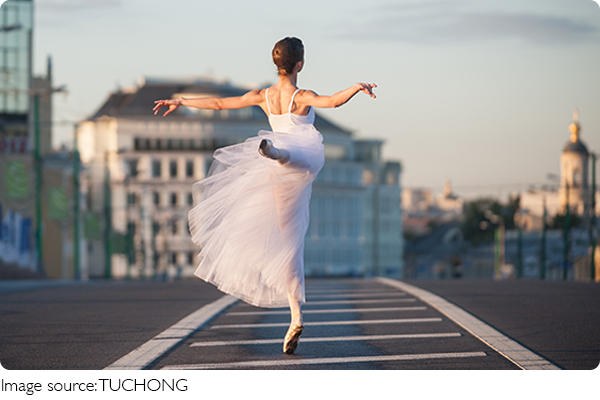
Have you ever watched a ballet performance and been mesmerized by the elegance and grace of the dancers?
The fluid movements, combined with the dramatic storytelling, create an experience that transcends words. Ballet is not just a dance form; it's a centuries-old art that continues to captivate audiences around the world.
Let's explore how ballet evolved into what it is today, and why it remains so influential in the world of dance.
What is Ballet?
Ballet is a highly technical form of dance that requires precision, discipline, and years of training. It originated in the Renaissance courts of Italy and quickly spread to France, where it became more structured and formalized. Ballet is unique because it combines intricate footwork, graceful arm movements, and expressive storytelling, often performed to classical music.
While ballet might appear effortless to the viewer, the truth is that it demands incredible strength, flexibility, and control. Dancers spend years refining their technique to achieve the seemingly impossible positions and movements that define this art form.
Key Elements of Ballet
Ballet's beauty lies in its strict adherence to form. Several elements make ballet distinctive:
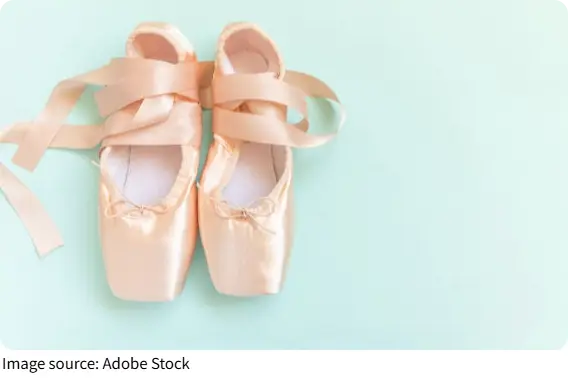
1. Pointe Work: One of the most iconic aspects of ballet is dancing on the tips of the toes, known as pointe work. This technique requires dancers to develop tremendous strength and balance. The first time a dancer performs on pointe is a milestone in their training.
2. Turnout: This is a fundamental aspect of ballet technique. The legs are turned out from the hips to create a 180-degree angle between the feet. This position is essential for proper form and allows the dancer to execute complex movements with fluidity.
3. Positions and Movements: Ballet dancers are trained in a variety of positions for their arms and legs, such as “first position,” “second position,” and “fifth position.” Each position serves as the foundation for different movements and steps.
4. Port de Bras: This term refers to the graceful movement of the arms. Ballet dancers use their arms in a fluid, controlled way to enhance their lines and complement their leg movements.
The Different Styles of Ballet
Ballet has evolved into several distinct styles, each with its own characteristics. Let's explore a few of them:
1. Classical Ballet: The foundation of all ballet, classical ballet follows strict rules and traditional techniques. It's the style seen in iconic ballets like Swan Lake, The Nutcracker, and Sleeping Beauty. Classical ballet performances are known for their grandeur, elaborate costumes, and dramatic storytelling.
2. Romantic Ballet: Emerging in the early 19th century, romantic ballet emphasized themes of love, supernatural forces, and ethereal beauty. Works like Giselle and La Sylphide exemplify this style, with dancers portraying spirits or otherworldly beings. The emphasis was on delicate movements, floating in the air, and portraying deep emotions.
3. Contemporary Ballet: As the dance world continued to evolve, so did ballet. Contemporary ballet incorporates elements of modern dance, allowing for more flexibility in movement and expression. It challenges traditional techniques by blending classical elements with free-flowing, often unstructured movements. Choreographers like George Balanchine revolutionized ballet with contemporary influences.
Ballet's Influence on Other Art Forms
Ballet's impact extends beyond the dance world. The precision and expressiveness of ballet have influenced a variety of art forms, from theater to film to fashion.
1. Film: Ballet has inspired some of the most visually stunning films. Classics like The Red Shoes and more recent works such as Black Swan showcase the internal struggles of dancers, as well as the beauty and artistry of ballet.
2. Fashion: Ballet's iconic costumes—such as the tutu and pointe shoes—have influenced fashion designers around the world. The gracefulness of ballet is reflected in high-fashion runway shows, with designers frequently drawing inspiration from the movement and elegance of ballet dancers.
3. Theater and Musical Theater: Ballet's emphasis on storytelling through movement has also impacted theater and musical theater productions. The intricate choreography in shows like West Side Story and Cats draws directly from ballet's theatrical roots.
The Importance of Ballet Training
While watching a ballet performance can be enchanting, it's important to recognize the incredible effort that goes into training to become a ballet dancer. Ballet schools around the world train dancers from a young age, often starting as young as three or four. For most dancers, their training is a lifelong commitment, with daily rehearsals, fitness regimens, and mental preparation.
Ballet dancers must cultivate a combination of flexibility, strength, balance, and stamina. Many professional dancers also engage in cross-training activities like Pilates, or weight training to support their ballet technique.
The Future of Ballet
Ballet is not just an art form; it's a living tradition. Today, we see the blending of ballet with other dance styles, the incorporation of modern technology in performances, and an increase in diversity within ballet companies. Social media platforms like Instagram and YouTube have made ballet more accessible to people worldwide, allowing dance companies to reach new audiences and inspiring a new generation of dancers.
Though ballet's roots are deeply grounded in tradition, its ability to adapt and evolve ensures that it remains a relevant and powerful art form in today's world. With new choreographers pushing boundaries and audiences craving innovative performances, the future of ballet looks bright.
Whether you're a dancer, an artist, or simply an admirer, ballet offers something unique for everyone. Its beauty lies in its combination of discipline and artistry, and it continues to inspire people around the world, offering a glimpse into a world where movement becomes poetry. So the next time you watch a ballet performance, remember that every leap, pirouette, and grand jeté represents years of hard work, dedication, and the desire to tell a story through the timeless art of dance.