Photography vs Painting
Pardeep Singh
| 30-03-2026
 · Art Team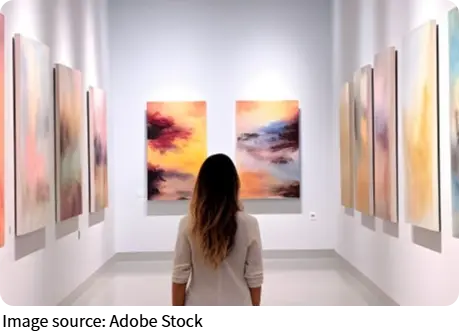
Have you ever wondered why photographers and painters seem to look at the world so differently? It's not just about technique, but about perception and intention.
While both art forms capture beauty, emotion, and narrative, they do so through distinct lenses—literally and figuratively. Let's dive into how photography and painting differ, yet complement each other in the world of visual art.
The Essence of Photography
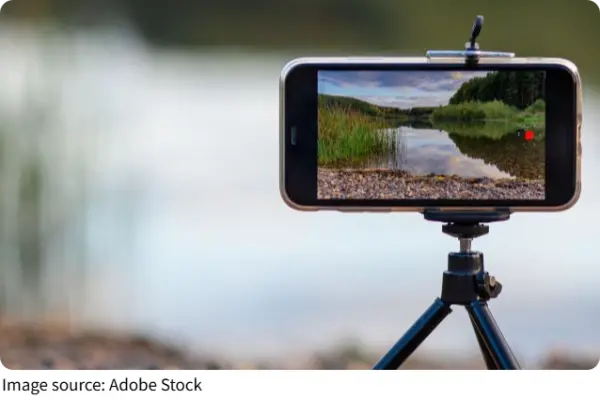
Photography is often seen as a quick snapshot of reality, capturing a moment in time with a press of the shutter. The beauty of photography lies in its ability to freeze reality as we see it—preserving details, colors, and textures as they are. It's a medium that captures light, shadow, and composition in a way that no other medium can quite replicate.
Capturing Reality: Photography is rooted in realism. A camera's lens replicates what our eyes see, so the image is often a direct representation of the world. Photographs are objective, aiming to replicate what's before the lens with high accuracy.
Instantaneous Nature: Photography offers immediacy. In mere seconds, a photographer can capture a moment—whether it's a bustling city street or a tranquil landscape. There's an element of spontaneity in photography that is often hard to achieve in painting.
Technical Precision: Cameras today are equipped with advanced technology that allows photographers to manipulate light, focus, and depth of field. This technological enhancement provides photographers with precise control over their images, making photography an incredibly adaptable medium.
The Soul of Painting
Painting, on the other hand, offers a more subjective and interpretative approach. Unlike photography, which is focused on capturing the present, painting invites imagination, emotion, and personal perspective. A painting doesn't have to represent reality—it can evoke a feeling, tell a story, or present an abstract idea.
Artistic Interpretation: Painters have the freedom to create their version of reality. They can distort, exaggerate, or eliminate elements in a way that reflects their inner emotions or ideas. The brushstroke, color palette, and texture all serve as tools for expression and communication.
Time and Process: Unlike the instantaneous nature of photography, painting is a slow, deliberate process. It requires patience, thought, and a deep connection between the artist and the canvas. The creation of a painting often evolves over time, with the artist adding and revising until they achieve their desired result.
Emotional Depth: Painting is more about conveying feelings than replicating reality. Through the use of color, texture, and form, painters can communicate emotions and moods in ways that photographs often cannot. An abstract painting, for example, may evoke a sense of calm or chaos, while a photograph may simply depict a scene.
Comparing Composition and Style
One of the most striking differences between photography and painting is how both handle composition and style. A photographer works with the scene before them, framing the shot, adjusting lighting, and focusing on particular elements. A painter, however, creates composition from scratch, often manipulating the elements of their work to suit their personal style.
Framing the Scene: In photography, framing is crucial. Photographers must consider the placement of their subject, the background, and the light all within a fraction of a second. It's about capturing the right moment, sometimes with perfect timing, and other times by arranging elements within the viewfinder.
Freedom of Expression: In painting, artists have unlimited freedom to place, color, and shape elements however they like. They can alter proportions, colors, and perspectives, creating compositions that feel harmonious or chaotic based on their vision. A painter has no constraints when it comes to how the image should appear.
The Role of Light in Both Mediums
Both mediums use light as an essential element, but the way light functions in photography versus painting is quite different.
Natural vs Artificial Light: In photography, light is something that must be captured as it exists. Photographers adjust their exposure, aperture, and shutter speed to make the most of natural or artificial light. A photographer's job is to harness the light at the moment of capture.
Manipulating Light in Paintings: In painting, light is often painted as a conceptual element. An artist may choose to exaggerate the effect of light on a subject, using shadows and highlights to create depth, focus, or contrast. The light in a painting can often be entirely imagined or exaggerated to enhance the emotional impact.
The Evolution of Both Forms
Photography and painting have both evolved significantly over the years. While photography has advanced in terms of digital technology, image manipulation, and accessibility, painting has continued to explore new forms of abstraction, conceptualism, and mixed media. Both art forms have continued to influence each other, with photographers borrowing elements of painting, and painters experimenting with photographic techniques.
Modern Photography: With digital editing tools, modern photographers can manipulate images in ways previously impossible. Techniques like long exposure, HDR, and digital painting allow photographers to step into the realm of artistic creation, blending their medium with painterly elements.
Digital Painting: On the flip side, many modern artists are incorporating photographic elements into their paintings, merging the lines between these two mediums. Digital painting allows artists to combine the benefits of both photography and painting, creating stunning hybrid works of art.
Conclusion: A Symbiotic Relationship
While photography and painting differ significantly in technique, approach, and intent, both are crucial forms of visual expression. Photography captures moments in time with precision and immediacy, while painting offers emotional depth and interpretative freedom. Rather than competing, the two mediums complement each other, inspiring new creative possibilities.
In the end, whether you're drawn to the vivid realism of photography or the emotional power of painting, both art forms offer unique windows into the human experience, each with its own power to evoke thought, reflection, and feeling.