Light's Role in Art

Santosh Jha
| 30-03-2026
 · Art Team
Have you ever stood in front of a painting and felt as though the light itself was speaking to you?
The subtle interplay of light and shadow in visual arts isn't just about making things visible; it's about evoking emotions, telling stories, and creating depth.
Light has always been more than just a physical element in art—it's a tool artists use to shape perception, highlight themes, and create movement.
The Power of Light and Shadow
At its core, light serves as the foundation of how we perceive the world. In visual arts, it brings a sense of depth, form, and perspective. Without light, art would be flat and lifeless, lacking the dimension that makes it compelling. Artists manipulate light to not only depict reality but also to enhance the emotional depth of their works.
Creating Depth and Form: Artists use light to make objects appear three-dimensional. By highlighting certain areas and casting shadows on others, they create a sense of volume. This technique is known as chiaroscuro, which means "light-dark" in Italian. The contrasting use of light and dark helps the viewer's eye navigate the composition and understand the spatial relationships within the artwork.
Setting the Mood: Light is a powerful emotional tool. A soft, diffused light can evoke a peaceful, serene atmosphere, while harsh, stark lighting can create tension, drama, or mystery. The direction and quality of light also play a role. A warm, golden glow can invoke feelings of warmth and comfort, while a cold, blue light may create a sense of isolation or sadness.
Light in Different Mediums
The role of light varies depending on the medium in which it is used. For example, light behaves differently in painting compared to photography or sculpture. While the physical presence of light in a photograph or sculpture can affect the final piece, in painting, light is created through technique and imagination.
Painting: In traditional painting, light is represented through the use of highlights, shadows, and gradations of color. Artists may rely on their understanding of natural light or use imaginative lighting to add emphasis to their subjects. In famous paintings like Caravaggio's “The Supper at Emmaus,” light is used to draw the viewer's focus to key figures or elements in the composition. The spotlight effect isolates the moment, turning it into something sacred and intimate.
Photography: In photography, light is not only a tool for creating mood but is also fundamental to the process itself. Photographers manipulate natural or artificial light to highlight details, textures, and emotions in the shot. They use light to shape their subjects, control the exposure, and create a certain "feel" for the photo. Photographers like Ansel Adams have mastered the interplay between light and shadow to enhance the drama and beauty of landscapes.
Sculpture: Light can also dramatically affect how a sculpture is perceived. The way light hits the surface of a sculpture can bring out textures, create shadows that add to the drama, and emphasize form. Sculptors often consider the light's movement through the day or artificial lighting to ensure that the piece is fully realized and interacts with its surroundings in dynamic ways.
Light as a Narrative Device
Beyond its technical role, light in visual arts often functions as a narrative device. Artists can manipulate light to tell a story, direct the viewer's attention, or symbolize themes. The use of light can highlight a moment in time, draw attention to a central subject, or evoke a transformation within the work.
Directing Focus: Light naturally draws the eye to certain areas of an artwork. By illuminating key elements, artists can guide the viewer's attention where they want it to go. A glowing light on a subject can symbolize its importance, while dimming the light around it can make it stand out even more. In sacred paintings, the divine often shines with an otherworldly glow to indicate sanctity and presence.
Symbolism of Light and Dark: In many art traditions, light and dark symbolize good and evil, knowledge and ignorance, or life and death. For example, in many Renaissance paintings, light is used to represent spiritual enlightenment, while darkness may represent sin or ignorance. The contrast between light and dark often carries a deeper moral or philosophical message that adds layers to the piece.
Innovations in Lighting Techniques
Over the centuries, the understanding and manipulation of light in art have evolved dramatically. Today, artists have access to sophisticated technologies that allow them to explore new lighting techniques in exciting ways.
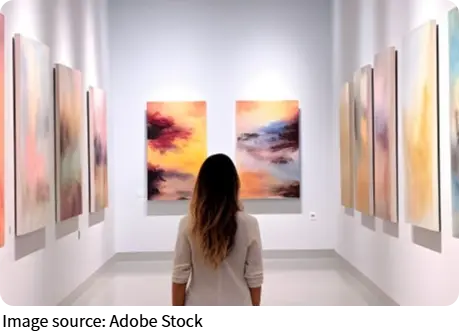
Modern Art and Installations: With the rise of contemporary art, many artists now use light as a medium in its own right. Light-based installations like those by James Turrell or Olafur Eliasson are prime examples. These artists use artificial light to transform spaces and immerse viewers in unique, often surreal experiences. Turrell, for instance, creates spaces that manipulate light to alter the viewer's perception of time and space, creating a sensory experience beyond traditional art.
Digital and Projected Light: In the digital age, light has become an integral part of video art and projections. Artists can project light onto surfaces to create moving, changing compositions. The manipulation of light through digital mediums allows artists to explore movement, time, and color in ways that weren't possible in traditional forms of art. Light in these forms becomes almost a living entity, constantly evolving as it interacts with its environment.
Conclusion: A Guiding Force in Art
Light in visual arts is much more than just illumination; it is a narrative device, an emotional tool, and a source of artistic innovation. From the way shadows bring depth to paintings, to the glowing installations of modern art, light shapes how we see, feel, and interpret art. It guides us through a visual journey, revealing hidden meanings and evoking emotions. Whether it's the softness of dawn light in a painting or the sharpness of stage lighting in an installation, light remains a vital force in artistic expression.
As we continue to explore new ways to manipulate light in the world of art, it remains one of the most powerful tools in an artist's arsenal. In the end, light is not just what makes us see art; it's what makes us experience it.