From Wolf to Woof

Owen Murphy
| 20-05-2026
 · Animal Team
When we curl up on the couch with our dog or take a walk side by side, it's hard to imagine that this loving, tail-wagging companion shares ancestry with wild wolves.
But it's true—and the story of how dogs evolved from fierce predators to family members is one of the most heartwarming chapters in human history.
It All Started with Fire and Food
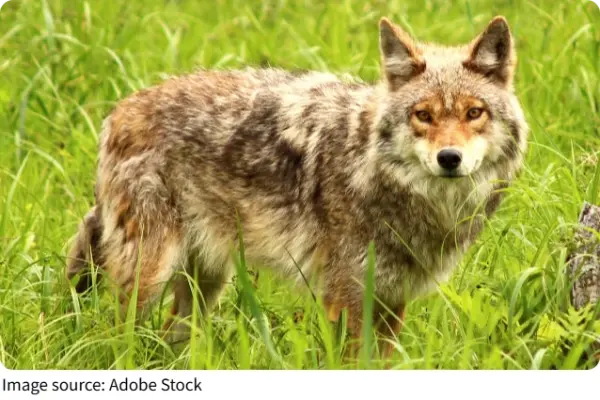
We may not remember it, but thousands of years ago, we began this friendship with wolves—long before cities, smartphones, or even farming existed. Experts believe that the first steps in dog domestication began around 15,000 to 30,000 years ago. According to Dr. Brian Hare, a professor of evolutionary anthropology at Duke University, some wolves started lingering near human campsites, drawn by leftover food.
These wolves that were less aggressive and more tolerant of humans may have had a survival advantage. Over time, the friendlier ones got closer and closer to people—and we began noticing the benefits of having them around, like guarding against intruders or warning us of danger.
Wolves That Listened Became Dogs That Stayed
As we interacted more with these early "proto-dogs," the relationship grew stronger. Humans likely began selectively feeding or protecting the calmer, more cooperative wolves. Over generations, this would slowly lead to physical and behavioral changes—shorter snouts, floppy ears, wagging tails, and a better ability to understand human cues.
Eventually, these animals were no longer just wild wolves. They were something new. They were dogs.
We Grew Together
What's fascinating is that as humans developed, so did dogs. When we started farming, dogs helped herd animals. When we traveled, dogs came with us. From snowy mountains to tropical forests, they adapted to our lives. We grew together, not just in the same environment, but also emotionally.
Research has shown that dogs can recognize human emotions and respond to our moods. According to a 2015 study in Current Biology, dogs can distinguish between happy and angry face expressions in humans, something even some primates struggle with.
Not Just Helpers, But Family
Today, dogs are far more than helpers. They're emotional companions. They comfort us when we're sad, play with us when we're happy, and stay by our side through life's highs and lows.
Our bond with dogs has gone beyond practicality—it's become deeply emotional. We celebrate their birthdays, take them on vacations, and even refer to ourselves as their "parents." This emotional closeness is a product of thousands of years of shared history, shaped by cooperation, mutual support, and affection.
Science Backs the Bond
This deep bond isn't just a feeling; science confirms it. When we look into our dog's eyes, both of our bodies release oxytocin—the "love hormone." This is the same hormone released between mothers and babies. Dr. Takefumi Kikusui from Azabu University in Japan discovered this effect in a 2015 study, showing that our connection with dogs is biologically real.
A Relationship Like No Other
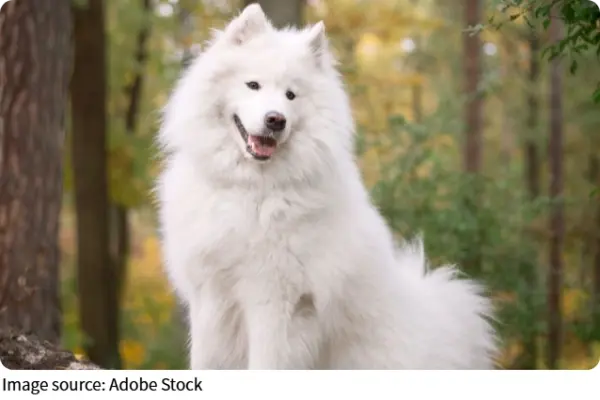
Unlike other animals we've domesticated—like cows or sheep—dogs are the only ones who actively seek emotional connection with us. They don't just follow commands; they try to understand our feelings, stay close to us, and even mirror our behaviors. That's why losing a dog often feels like losing a family member—it truly is.
We Owe Them Our Gratitude
As we look at our modern lives filled with routines and screens, dogs still remind us of something pure—companionship, loyalty, and love. They have walked with us from the caves to the cities, through every season of life.
Next time your dog curls up at your feet or greets you like you've been gone for years—even if it's just a trip to the kitchen—remember, you're part of one of the oldest and most beautiful partnerships on Earth.
What about you? Do you ever wonder what your dog sees in you? Share your thoughts or memories—let's celebrate this special friendship together!