How to Grow Saffron Crocus
Nolan O'Connor
| 29-05-2026
 · Plant Team
Hi, Readers!
If you've ever spotted those tiny, thread-like crimson strands in a spice jar at the store and winced at the price tag, you're not alone.
The bright red-orange threads you get when you buy saffron are actually the stigmas of the Saffron Crocus flowers, and it takes hundreds of flowers to produce a commercially useful amount, which is exactly why saffron is so expensive. But here's the good news: you can grow one of the world's most expensive and sought-after spices right in your own garden with Crocus Sativus! Let's walk through everything you need to know.
What Exactly Is Saffron Crocus?
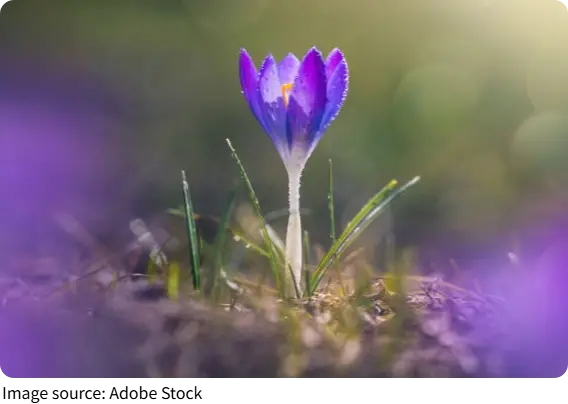
The fall-blooming, purple-flowered saffron crocus grows from a bulb-like structure called a corm. These plants yield gorgeous, creamy lilac flowers with dark purple veining and red stamens that contrast beautifully against the bold orange anthers. Saffron is the red-orange stigma of the saffron crocus flower, and each flower produces only three stigmas, which is one reason saffron is known as one of the most valuable spices in the world. Expect each corm to produce two to four flowers, and each flower to contain three stigmas (saffron threads).
When and Where to Plant
The best planting time is September or October. Pick a spot in your garden that has well-draining soil and gets full sun. The ideal planting period for Crocus sativus bulbs is between July and October, as summer heat promotes autumn flowering. For regions with temperate or cool summers, it's best to delay planting until late August or early September, storing bulbs in a dry, ventilated place at 20 to 27°C until then.
When choosing a location, drainage is the top priority. Flower bulbs hate getting their feet wet. A bulb that is sitting in water will rot in no time. So avoid soggy soil at all cost, meaning places where you can still see puddles 5 to 6 hours after a rainstorm. One thing you can do is upgrade potentially soggy soil by adding organic material such as peat, bark or manure.
How to Plant the Corms
When purchasing bulbs and corms, always look for those that are plump and firm, and avoid those that are soft. Saffron crocuses need to be planted deep enough that they won't be affected by temperature variations above ground. The standard method for calculating the ideal depth is to dig a hole three times as deep as the bulb is high, and place the bulb at the bottom with its pointy end up. Plant the saffron crocus bulbs about 2 to 3 inches deep and 3 inches apart, placing them in the ground with their pointy ends up and the hairy skin down.
The size of the bulbs significantly impacts their flowering performance in the first year of planting. Larger bulbs yield better and more flowers initially, while smaller bulbs are better suited for long-term, cost-efficient cultivation. For a strong saffron harvest in the first year, bulbs of size 9/10 or larger are recommended. Size 9/10 produces 1 to 2 flowers per bulb, size 10/11 yields 2 to 3 flowers, and size 11/+ delivers 3 or more flowers per bulb.
Watering and Care Through the Seasons
To help the bulbs settle and grow roots quickly, it's important to water them well after planting, but after that you won't have to water them again. The saffron flowers might start blooming after about 6 to 8 weeks. During blooming season, you generally don't have to water your saffron crocuses, but you can water them when there hasn't been any rain for 3 to 5 days.
In the spring, water is crucial for the Crocus sativus because then the new "daughter bulbs," which have formed on top of the "mother bulb," must grow large enough to be able to form flowers in the fall. Saffron Crocuses prefer average amounts of moisture in the spring but prefer dry sites in the summer when they are dormant.
Weeding is equally important. Make sure that your saffron plantation remains as free of weeds as possible throughout the year. Weeds can overgrow the crocus crop, causing the corms to grow less than normal, which can result in less flowering.
After Blooming: Don't Cut the Leaves
After saffron crocuses have finished blooming, don't cut the foliage straight away. Through photosynthesis the leaves will create nutrients that the bulb will need for its next growing season. After a few weeks the foliage will automatically yellow and die back, and then you can remove it. Now the bulb will be going dormant, and won't need any watering until next fall.
Harvesting Your Saffron
The saffron spice comes from the three orangey-red stigmas in the center of each flower. To harvest, cut the flower from the plant immediately after the flower opens and once all signs of morning dew have dried off. Stigmas can also be pulled directly from the flower. Place all the threads on a separate tray to dry in a warm, dark place for a few days. Saffron threads can take at least 24 hours to dry at room temperature, but the time depends on the temperature and humidity.
With each successive year, the corms will multiply, the size of the planting will increase, and you'll be able to harvest more of the precious stigmas. After 4 to 6 years, you should divide and replant the corms right after the foliage has faded. Division prevents overcrowding, which can lead to a decrease in flowering.
Growing saffron crocus is honestly one of the most rewarding things you can do in a garden. It's low maintenance, visually stunning, and gives you a spice that normally costs a fortune at the store. Start with good-quality corms, pick a sunny well-drained spot, keep the weeds out, and let nature do the rest. Once you harvest your first homegrown saffron threads, you'll never look at that spice jar the same way again!