Litter Box Spot Tips

Pardeep Singh
| 07-08-2026
 · Animal Team
Hi, Readers! A litter box is not just a plastic tray parked in a random corner.
To a cat, its location can feel like the difference between a quiet little studio apartment and a restroom in the middle of a busy train station. If the box sits in a noisy, cramped, or hard-to-reach place, many cats will vote with their paws and simply avoid it.
Good placement is all about making the box easy to find, easy to reach, and calm enough that your cat does not feel startled while using it.
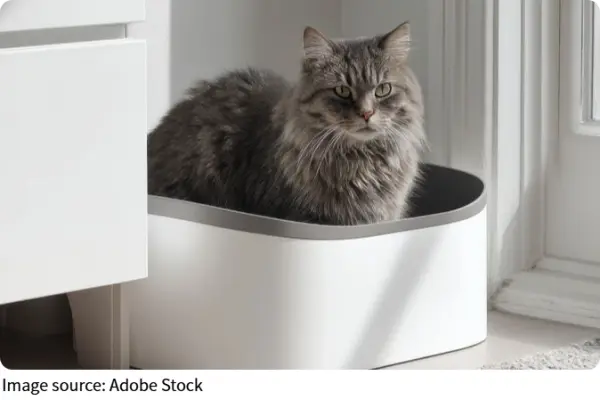
Choose a quiet, easy spot
Cats usually prefer a private area, but not one that feels like a hidden cave at the end of a maze. A good litter box location is quiet, low-traffic, and away from sudden noise. Laundry machines, clanking appliances, and doors that slam can make the space feel jumpy. At the same time, do not put the box somewhere your cat rarely goes or cannot reach quickly. The sweet spot is a calm place with normal access, where the cat can enter, use the box, and leave without hassle.
Keep food and box apart
Most cats do not enjoy using the litter box near their food and water, and honestly, who would? Keeping these areas separate helps many cats feel cleaner and more relaxed. If you place bowls right next to the box, your cat may become reluctant to use one or both spaces. Give each function its own zone so the home layout feels clear and comfortable.
Make access simple for every cat
If you live in a multi-level home, place litter boxes on different floors so your cat does not need to make a long dash every time nature calls. Older cats, very young kittens, or cats with movement trouble especially need easy access. A basement or isolated room may seem tidy to people, but for a cat it can feel like the restroom moved to another planet. The box should be in a place your cat can reach quickly, day or night.
Do not trap the cat
Placement matters for confidence too. A cat should not feel cornered while using the box. Try to avoid spots where another pet, a child, or household traffic can block the exit. Many cats prefer being able to see the surroundings and leave easily if something bothers them. If a cat feels ambushed in that area even once, the box can suddenly become far less appealing.
Have enough boxes
One common recommendation is to provide one litter box per cat, plus one extra. That helps reduce competition and gives each cat choices. Spread the boxes out instead of clustering them all in one place, because several boxes lined up side by side can feel like a single crowded restroom stall. Separate locations give cats more control and can lower stress in homes with more than one cat.
Keep it clean and consistent
Even the perfect location will not save a dirty litter box. Scoop regularly and keep the area pleasant. Also, avoid moving the box around too often unless there is a clear reason. Cats like consistency, and frequent changes can turn a familiar routine into a confusing treasure hunt with no treasure. If you must move it, do so gradually so your cat has time to adjust.

In short, the best litter box placement supports a cat's natural need for privacy, safety, and easy access. A quiet location, distance from food, enough boxes, and a clear escape route can make a huge difference. If your cat starts avoiding the box, take a fresh look at where it sits. Sometimes the problem is not the box itself, but the real estate.