Clean White Shirt Moves

Owen Murphy
| 25-08-2026
 · Lifestyle Team
Welcome to today's article. A white shirt sounds basic, but it does not just fill space in your closet, it sets the tone for everything around it.
If you want to look clean and put together, this piece does a lot of the heavy lifting. The key is not buying something flashy.
It is getting the fit right, keeping the details quiet, and wearing it with pieces that make the whole outfit feel settled instead of busy.
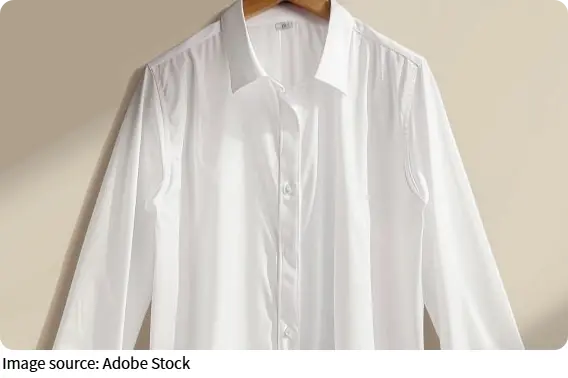
Fit does the real work
A white shirt looks crisp when the shape is controlled, not tight and not loose. Start at the collar. You should be able to fit two fingers between your neck and the collar, so it sits cleanly without pressing or collapsing. Then check the shoulder seam. It should end right where your shoulder ends. If the seam drops onto your upper arm, the shirt starts looking sloppy fast. Sleeves matter too. The cuff should stop at your wrist, and if you wear it under a jacket, about a quarter to half an inch of cuff should show. That small line at the wrist makes a big difference because it tells people the shirt actually fits you.
Collar points change the mood
Not every white shirt gives the same impression. A spread collar looks more polished and works well with a tie, especially if you wear a navy suit or a gray jacket. A button-down collar feels a bit more relaxed, so it works better when you skip the tie and pair the shirt with chinos or dark trousers. If you want a straightforward place to start, a plain white dress shirt with no chest pocket is the easiest option. The chest pocket adds visual clutter, and on a white shirt that shows up quickly.

Fabric keeps it looking fresh
The shirt can fit well and still look off if the fabric is wrong for the setting. Broadcloth is the cleanest option when you want a smooth, sharp finish. It works well for office wear, events, and tailored outfits because the surface is flat and neat. Oxford cloth is more casual. It has a slightly heavier texture, so it suits less formal outfits, especially with a button-down collar. If you are trying to keep the outfit looking clean and direct, avoid fabric that wrinkles heavily by midday. A shirt that starts crisp in the morning and looks rumpled by lunch loses the effect you want.
Keep the pairing simple
You do not need many extras here. A white shirt looks strongest when the surrounding pieces are steady and easy to read. Navy trousers, charcoal pants, and dark denim all work because they give the shirt a clean frame. A dark tie, especially navy or burgundy, keeps the front of the outfit focused. If you wear a suit, charcoal and navy are the easiest matches because the contrast stays sharp without looking loud. Even without a jacket, you can keep things neat by tucking the shirt properly, wearing a simple belt, and making sure your shoes are clean. A white shirt draws attention to maintenance fast, so wrinkled pants or worn shoes stand out more than they would in a more casual outfit.
Small details decide everything
A white shirt does not hide mistakes. If it is yellowing at the collar, pulling at the buttons, or turning sheer under bright light, people notice. That is why an undershirt in a close-to-skin tone is often better than a bright white one, especially under thinner fabric. It stays quieter under the shirt and keeps the front looking smooth. You should also pay attention to the placket, the buttons, and the stitching. Cleaner construction usually looks calmer on the body. French cuffs can work in dressier settings, but standard barrel cuffs are easier for everyday wear and keep things from feeling overdone.
A white shirt earns its place because it is reliable, not because it is loud. If you focus on fit, choose the right collar and fabric, and pair it with steady pieces such as navy trousers or a gray jacket, you get that clean, direct look without much effort. So if you want to look neat and sharp more often, start with the white shirt and get the basics right first.