Pick the Right Bag

Caleb Ryan
| 25-08-2026
 · Lifestyle Team
Hello, readers. Most people start with looks, but a good men's hand-carry bag should fit the way you actually move through the day.
If you head from the office to dinner with a 13-inch laptop, a charger, keys, and a notebook, you need something very different from a compact bag meant for just a phone and card holder. The right choice starts with use first, then shape, material, and details.
That order saves you from ending up with a bag that looks sharp on a shelf but feels awkward by noon.
Start with your daily load
Before you think about color or hardware, check what you carry on a normal weekday. A structured brief-style bag works well if you regularly carry a laptop, A4 papers, and a charger, because those items sit flatter and stay easier to reach. A smaller top-handle bag makes more sense if your daily set is limited to a phone, wallet, keys, and maybe earbuds. If you carry bulkier items such as a compact umbrella or a water bottle, pay attention to width, not just height. A narrow bag can look clean, but it gets frustrating fast when your things start pressing against the zipper.
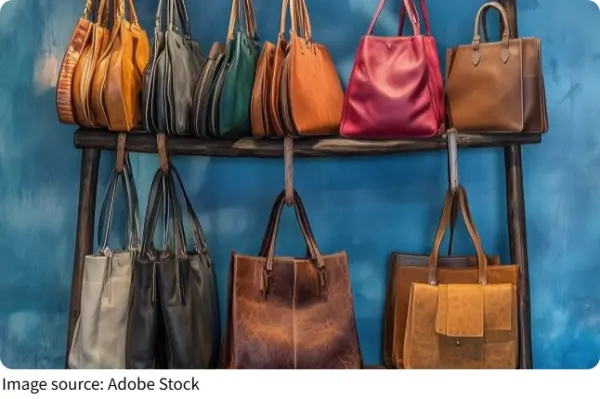
Size should match real use
Bigger sounds practical, but extra space often turns into extra clutter. If your laptop is 14 inches, check the inner compartment rather than guessing from the outer shape. Some bags look large from the outside but lose usable room because of thick padding or stiff dividers. On the other hand, if you commute light, a heavy oversized bag can feel unnecessary after a few blocks. You want enough room for your actual essentials, with a little spare capacity for one or two extras, not a half-empty shell that shifts around while you walk.

Material changes the feel
Material affects weight, upkeep, and the impression your bag gives off the moment you set it down. Leather usually reads more formal and works well with office clothing, especially in black, dark brown, or deep navy. Nylon or polyester tends to feel lighter and easier to maintain, which helps if you commute daily or set your bag on train floors, cafe seats, and car interiors. If you want one bag to cover both work and casual use, a matte finish and simple texture usually blend in better than glossy surfaces or overly decorated panels.
Small details do the work
People often ignore the practical parts, but those are the features you'll notice every single day. A strong top handle matters if you carry the bag by hand for long stretches. A removable shoulder strap gives you flexibility when your hands are full with coffee or documents. Inside, separate compartments help a lot, especially if one section holds a laptop and another keeps small items from drifting around. Metal feet on the base can also help reduce wear when you place the bag on the ground. Zippers should move smoothly without catching, and the opening should be wide enough that you can reach your charger or key case without digging around.
A good bag does not need flashy details to earn its place in your routine. If you choose based on what you carry, how far you walk, and where you use it, you'll end up with something that feels easy to live with day after day. So take two minutes, lay out your daily essentials, and choose the bag that fits your real life, not just the version that looked good at first glance.